


CBD and CBG compared: properties, abundance and concentrations

In short: CBD and CBG are both non-psychoactive cannabinoids from hemp, but they differ in how common they are and in their role in the plant. Here is a neutral comparison of their properties.
Two cannabinoids from hemp
CBD (cannabidiol) and CBG (cannabigerol) are both naturally occurring, non-psychoactive cannabinoids found in hemp. They appear together in full-spectrum extracts, but in different amounts.
Key differences
- Abundance: CBD is present in larger amounts; CBG usually in smaller amounts.
- Role in the plant: CBG acts as a precursor from which other cannabinoids form.
- Availability: CBD products are more common; CBG-focused products are rarer.
Concentrations in products
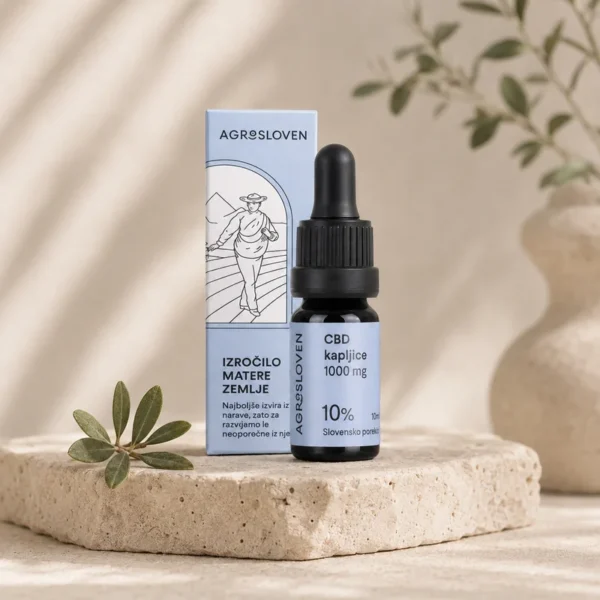
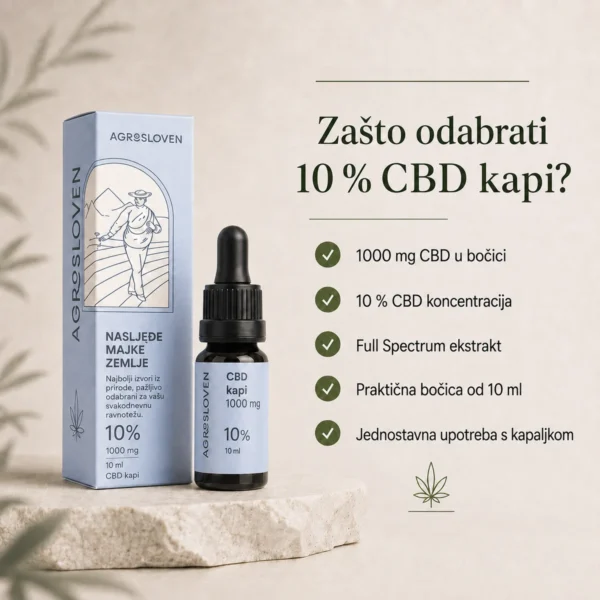
Both cannabinoids are offered in drops of various concentrations, shown as a percentage and in milligrams. Some products combine CBD and CBG for a fuller profile. The choice comes down to personal preference.
Important notice
Hemp products are wellness products and are not medicines. They are not intended to diagnose, prevent, treat or alleviate any disease or health condition. For health questions, please consult a doctor.
CBG drops compared: price per 100 mg
The table updates from current shop prices. The price per 100 mg shows what you actually pay for the content, not for the bottle.
| Product | Cannabinoids per pack | Approx. per serving | Current price | Price per 100 mg cannabinoids |
|---|---|---|---|---|
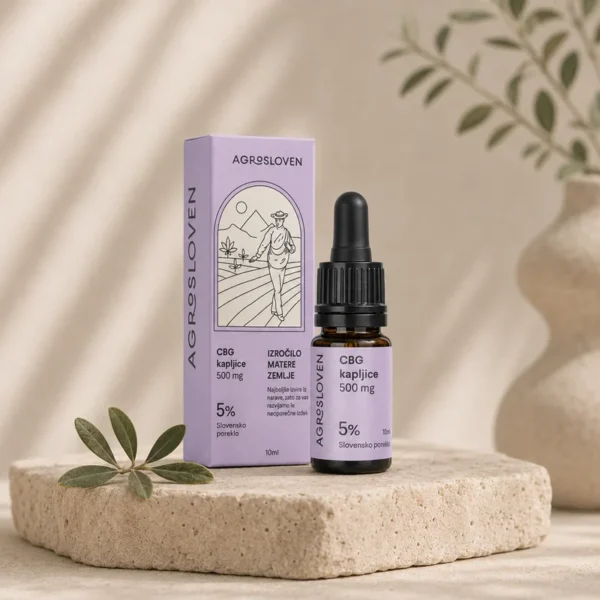
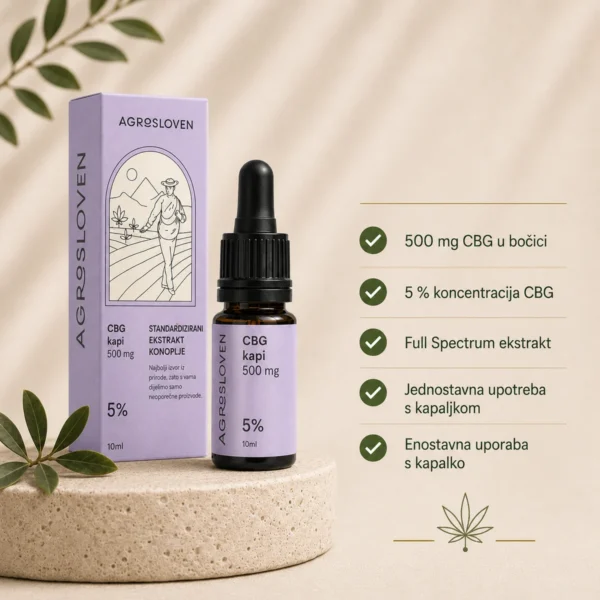
| 5% CBG Hemp Drops (10 ml) | 500 mg CBG | 2.5 mg CBG / drop | EUR 24.00 (regular EUR 36.00) | EUR 4.80 |
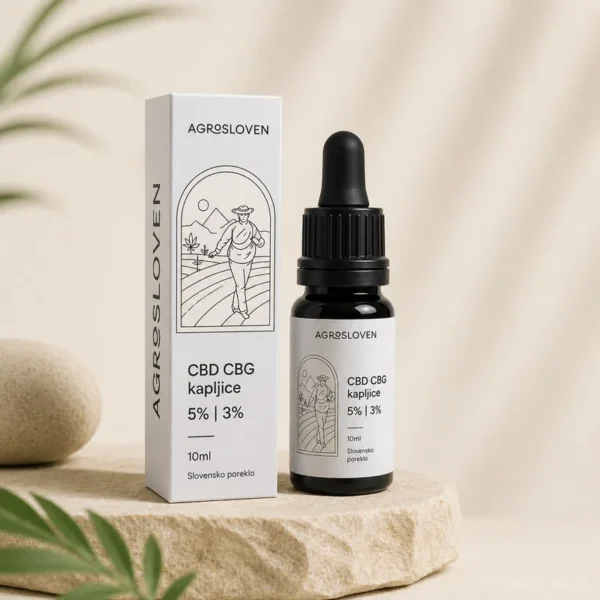
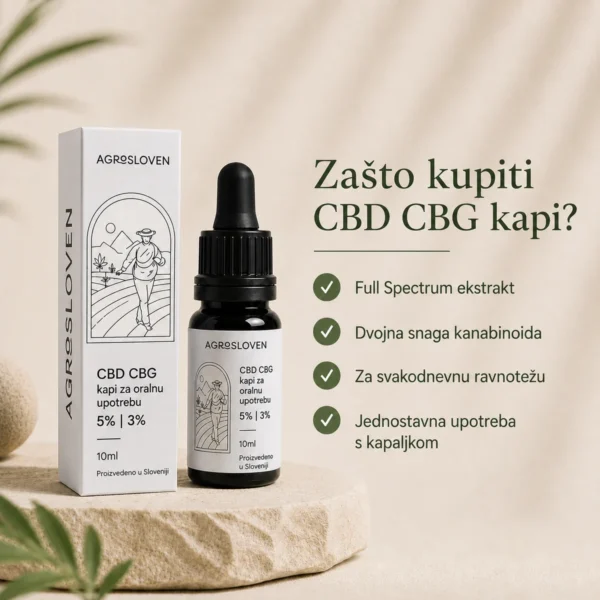
| 5% CBD + 3% CBG hemp drops (10 ml) | 500 mg CBD + 300 mg CBG | 2.5 mg CBD + 1.5 mg CBG / drop | EUR 36.00 | EUR 4.50 |
Prices update automatically from the shop. Milligrams per drop are calculated for a 0.05 ml drop.
Best value per milligram: 5% CBD + 3% CBG hemp drops (EUR 4.50 per 100 mg), followed by 5% CBG Hemp Drops (EUR 4.80).
From our range
Frequently asked questions
Is CBG psychoactive?
No. Like CBD, it is a non-psychoactive cannabinoid.
Why are CBG products less common?
A mature hemp plant contains very little CBG, because it converts into other cannabinoids as the plant grows. Higher CBG content requires earlier harvest or selected varieties.
Can a product contain both CBD and CBG?
Yes. Full spectrum extracts contain both, and some products combine them in defined amounts stated on the label.
Explore in our shop: CBD drops · all Agrosloven products.
