


Hemp: a versatile plant and its many uses

In short: Hemp (Cannabis sativa) has been cultivated for thousands of years for fibre, seeds and oil. Today it is grown as industrial hemp with low THC, and used in textiles, food and wellness products – here is a short, neutral overview.
A plant with a long history
Hemp is one of the oldest cultivated plants, used for thousands of years to make rope, textiles, paper and food. Its versatility is one reason it has remained relevant across so many cultures and eras.
Industrial hemp today
Modern industrial hemp is grown with very low levels of THC, in line with legal limits. It is valued as a sustainable crop that can be used across many industries, from construction materials to cosmetics.
Common uses of hemp
- Textiles and rope from hemp fibre.
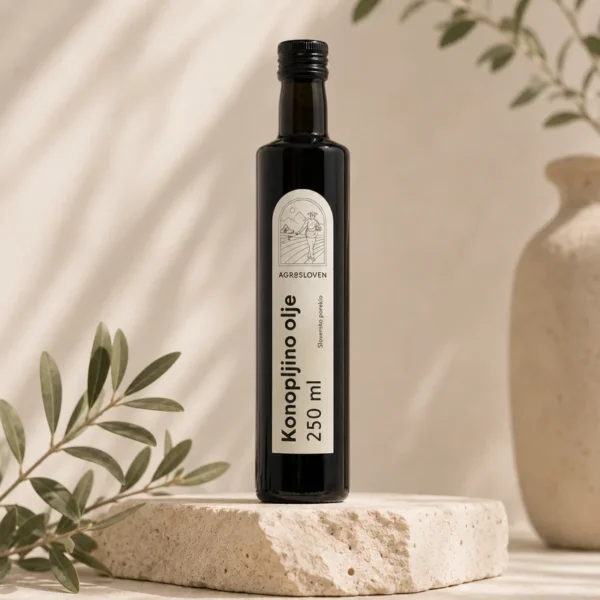
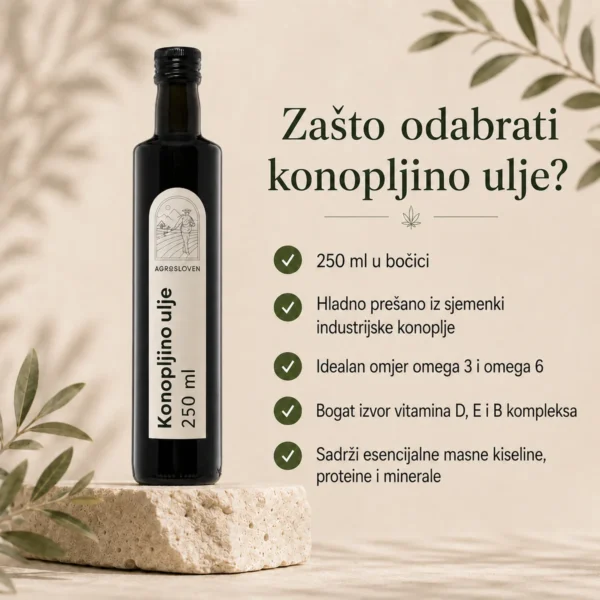
- Hemp seeds and cold-pressed hemp seed oil as food.
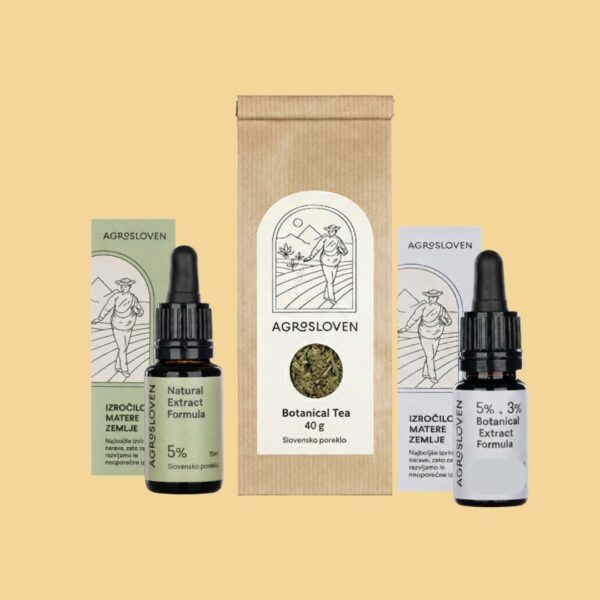
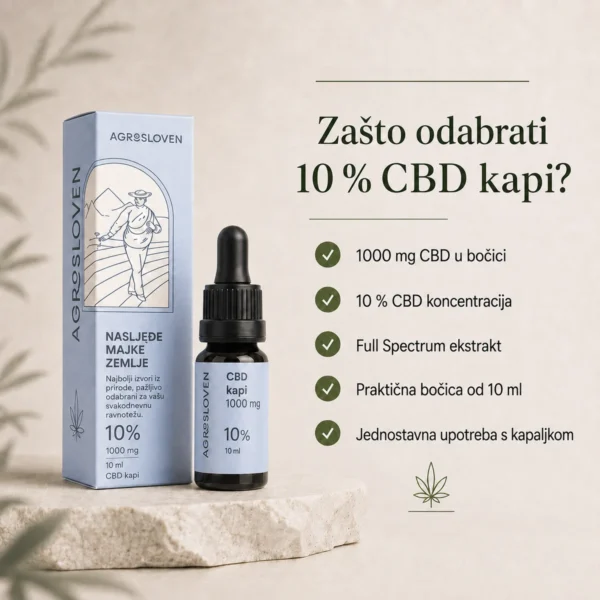
- Full-spectrum extracts used in wellness products.
- Cosmetics such as creams, gels and ointments.
Important notice
Hemp products are wellness products and are not medicines. They are not intended to diagnose, prevent, treat or alleviate any disease or health condition. For any health concern, please consult a doctor.
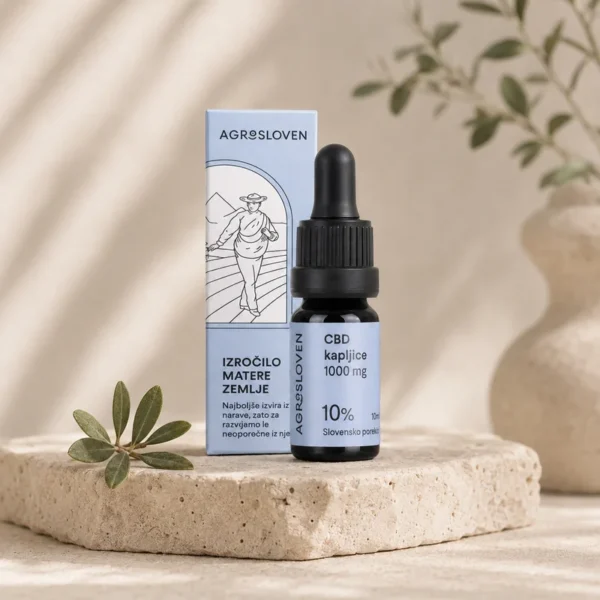
From our range
Frequently asked questions
What is the difference between industrial hemp and high-THC varieties?
They are the same plant species but different varieties. Industrial hemp comes from certified varieties with THC below the legal limit.
Which parts of the plant are used?
Stalk fibre for textiles and insulation, the woody core for building materials and bedding, seeds for food and oil, flower and leaf for extracts and tea.
Is hemp cultivation regulated?
Yes. Growers must use certified seed of catalogued varieties and register the area with the competent authority.
Explore in our shop: hemp drops · all Agrosloven products.
