


Hemp legislation in the EU — cultivation and products
In short: In the European Union, growing industrial hemp is permitted using varieties listed in the common catalogue of agricultural plant species, with THC below the legal limit. Hemp products fall under different regulatory frameworks depending on their intended use — cosmetics, food, or general consumer goods — and each has its own rules.
Cultivation
Growers may sow only certified seed of varieties entered in the European catalogue. THC content in these varieties is legally capped and verified by field sampling.
Cultivation must be registered with the competent authority, which keeps a record of the areas involved. This framework separates industrial hemp from varieties covered by narcotics legislation.
Novel food status
The European Commission treats hemp extracts containing cannabinoids as a novel food. That means authorisation at EU level is required for use in food, and those procedures have been ongoing for several years.
The practical effect is that extract-based products are often sold as cosmetics or as goods not intended for consumption — not because they are inferior, but because the food status is unresolved.
Seeds and seed oil
Hemp seed and cold-pressed seed oil are outside the novel food framework, because they were in use in the EU before 1997. Seed oil is therefore sold as an ordinary food.
This is also why seed oil and cannabinoid extract are two legally distinct products, despite coming from the same plant.
Cosmetics
Hemp cosmetics fall under the European cosmetics regulation. Each product needs a safety assessment, ingredients must be listed under INCI nomenclature, and the product must be notified through the EU CPNP portal.
Cosmetics may not carry claims that would present the product as a medicine.
Health claims
This is the most common breach in practice. A product that is not a medicine may not be advertised with claims about preventing, treating or alleviating disease. The prohibition covers packaging, websites, social media and advertising alike.
Describing composition, origin, production method and how a product is used is permitted. Linking the product to a specific health condition is not.
Where member states differ
| Area | Regulation |
|---|---|
| Cultivation | harmonised at EU level via the variety catalogue |
| Novel food | harmonised, authorisation procedures ongoing |
| Cosmetics | harmonised under the cosmetics regulation |
| Sale of flowers | varies considerably between member states |
| Enforcement and penalties | national competence |
The sale of hemp flowers is where national rules diverge most — what is permitted in one member state may not be in another.
From our range
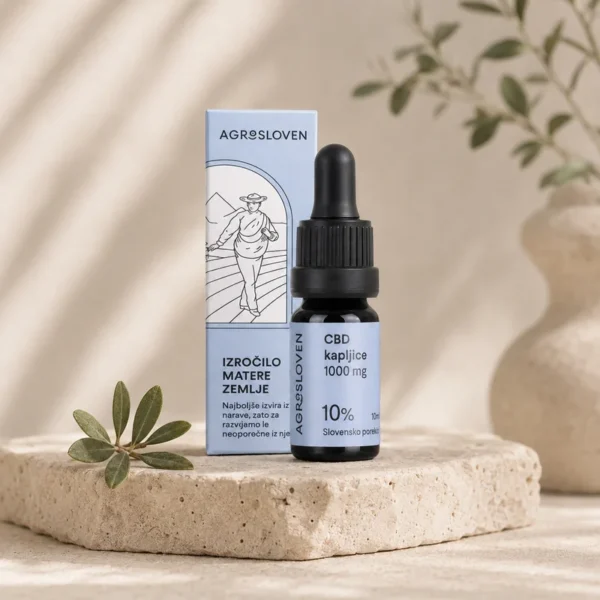
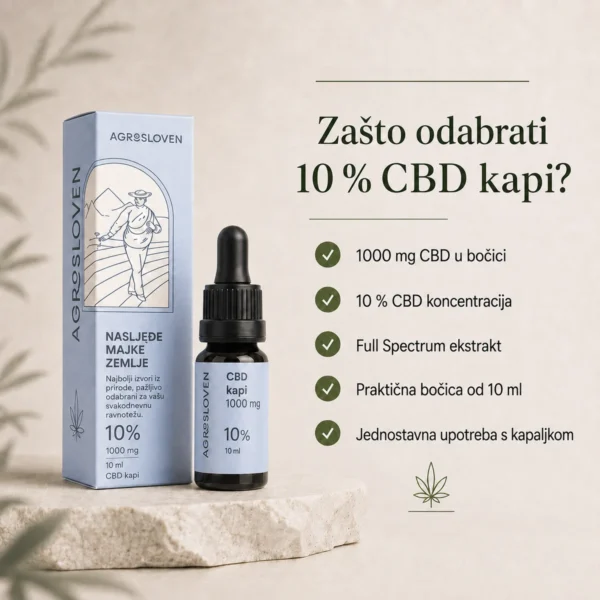
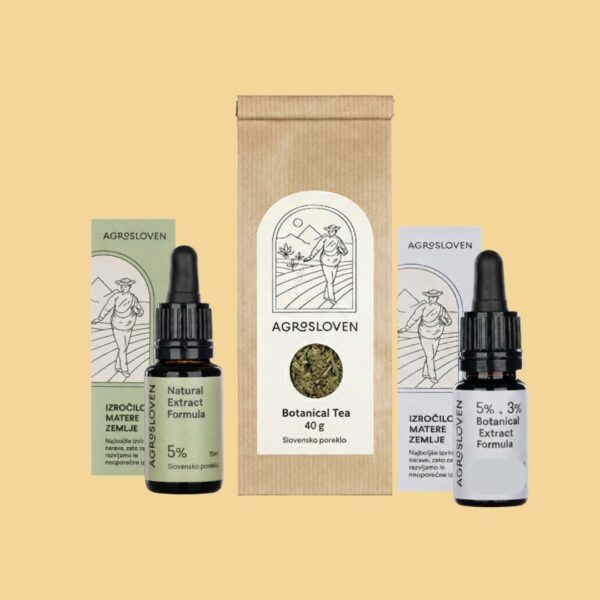
Frequently asked questions
Is growing hemp legal in the EU?
Yes, using varieties listed in the common catalogue, with THC below the legal limit and with cultivation registered with the competent authority.
What is the status of cannabinoid extracts in EU food law?
The European Commission handles cannabinoid extracts under the novel food procedure, which is not yet complete. Until it is, the rules and how they are applied differ between member states.
Does hemp seed oil fall under novel food rules?
No. Seed and seed oil were in use in the EU before 1997, so they are sold as ordinary food.
What are the rules on health claims?
A product that is not a medicine may not be advertised with claims about treating, preventing or alleviating disease — on packaging or in any advertising.
Note: this is a general overview and not legal advice. Regulations change; for a specific question, consult the competent authority or a legal adviser.
Explore in our shop: hemp drops · all Agrosloven products.
