


Hemp seed oil in cosmetics: why it is used and how to read a label

In short: Hemp seed oil is a popular cosmetic ingredient thanks to its fatty-acid profile. Here we look at why hemp oil appears in skin-care products and how to read a cosmetic label – as general information, not health advice.
Why hemp oil is used in cosmetics
Hemp seed oil is prized in cosmetics for its light texture and its content of essential fatty acids, including omega-3 and omega-6. It absorbs well and is often included in facial oils, creams and balms as a nourishing base ingredient.
Reading a cosmetic label
- Look for the INCI name Cannabis Sativa Seed Oil in the ingredient list.
- Check where hemp oil sits in the list – ingredients are ordered by quantity.
- Look for the stated CBD content if the product contains hemp extract.
- Choose products with clear, transparent labelling.
A simple skin-care routine
A basic routine usually includes gentle cleansing, moisturising and sun protection. Hemp-based products can fit into the moisturising step as a botanical option. As with any cosmetic, patch-test a new product first.
Important notice
Hemp cosmetics are products for skin care. They are not medicines and are not intended to diagnose, prevent, treat or alleviate any disease or skin condition. For any persistent skin concern, please consult a doctor or dermatologist.
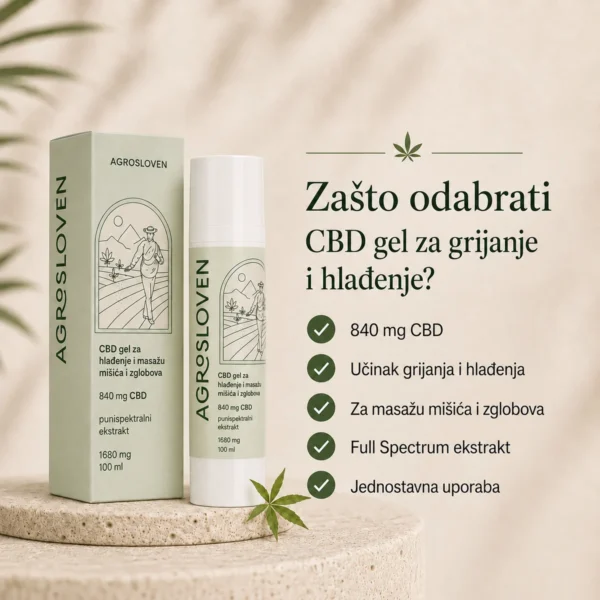
From our range
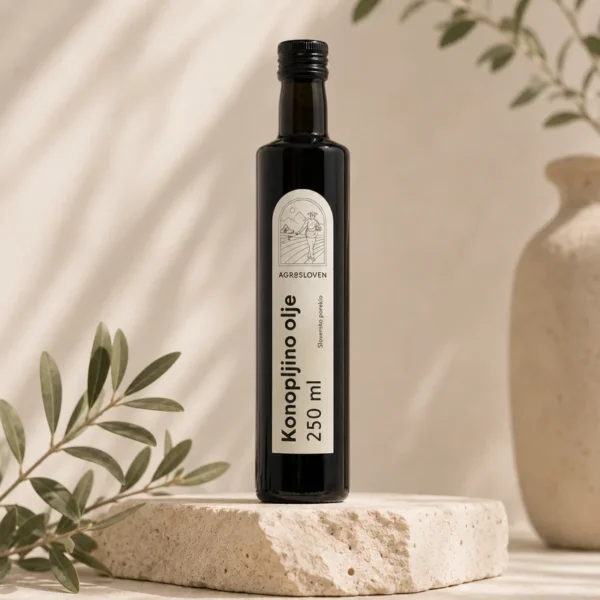
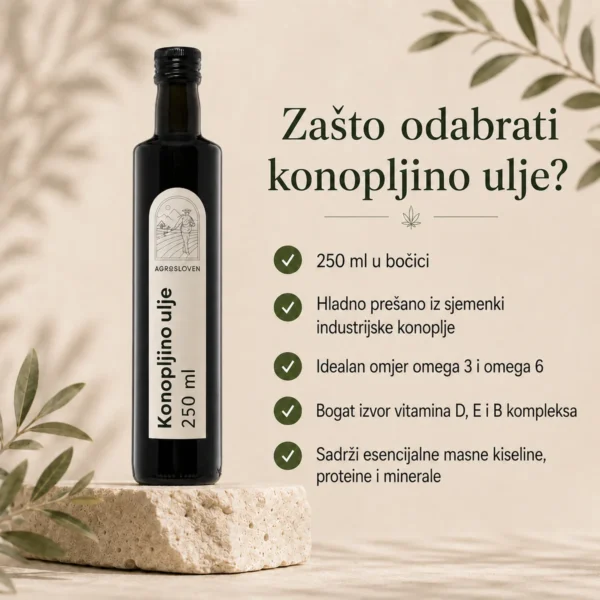
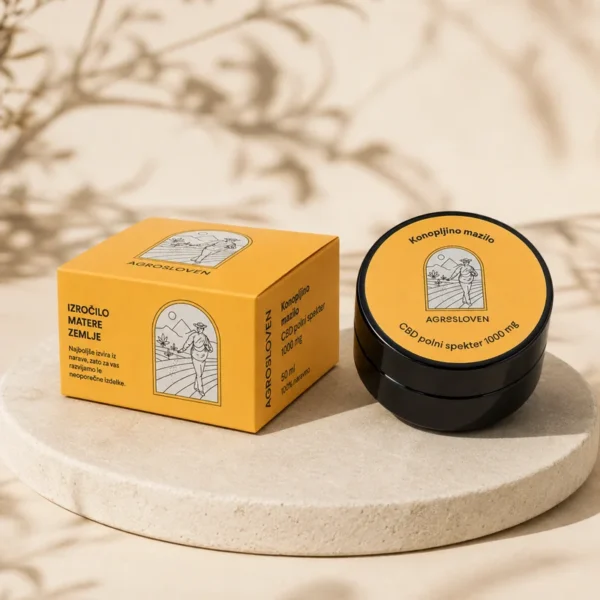
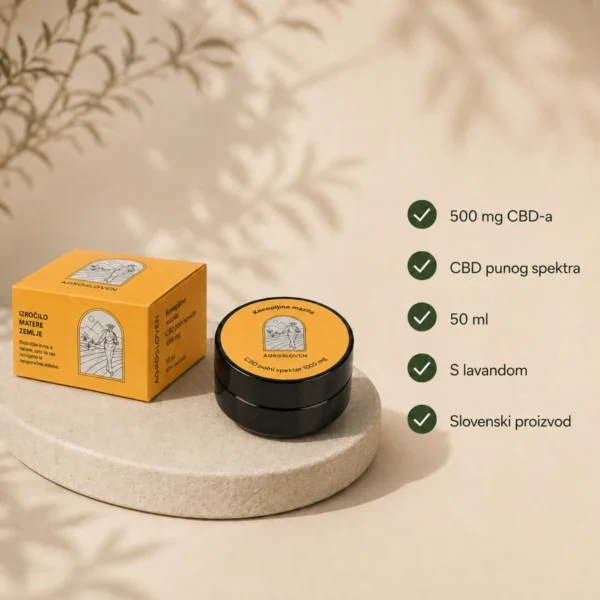

Frequently asked questions
Does hemp seed oil contain CBD?
No. Seeds do not contain cannabinoids; these are found in the flower and leaf of the plant.
Where does hemp seed oil appear on an INCI list?
As Cannabis Sativa Seed Oil. Ingredients are listed by descending proportion, so a position near the top means a higher content.
Is hemp seed oil heavy on the skin?
It is relatively light compared with oils such as castor oil, and is often used as a carrier oil in creams and balms.
Explore in our shop: hemp cosmetics · all Agrosloven products.
